Ad. Some links here are affiliate links. If you book through them I earn a small commission at no extra cost to you.
Table of Contents
ToggleThings to do in Ravenna, in a nutshell: Ravenna is a small, walkable city in Emilia-Romagna, famous for having some of the finest Byzantine mosaics in the world. Eight of its monuments are UNESCO World Heritage Sites, including the Basilica di San Vitale, the Mausoleum of Galla Placidia and the Basilica di Sant’Apollinare Nuovo. Add a mosaic workshop, the MAR art museum, the new Byron Museum and plenty of piadina, and you have the perfect two or three days. Fly into Bologna and take the shuttle to Ravenna, about an hour and a half away.
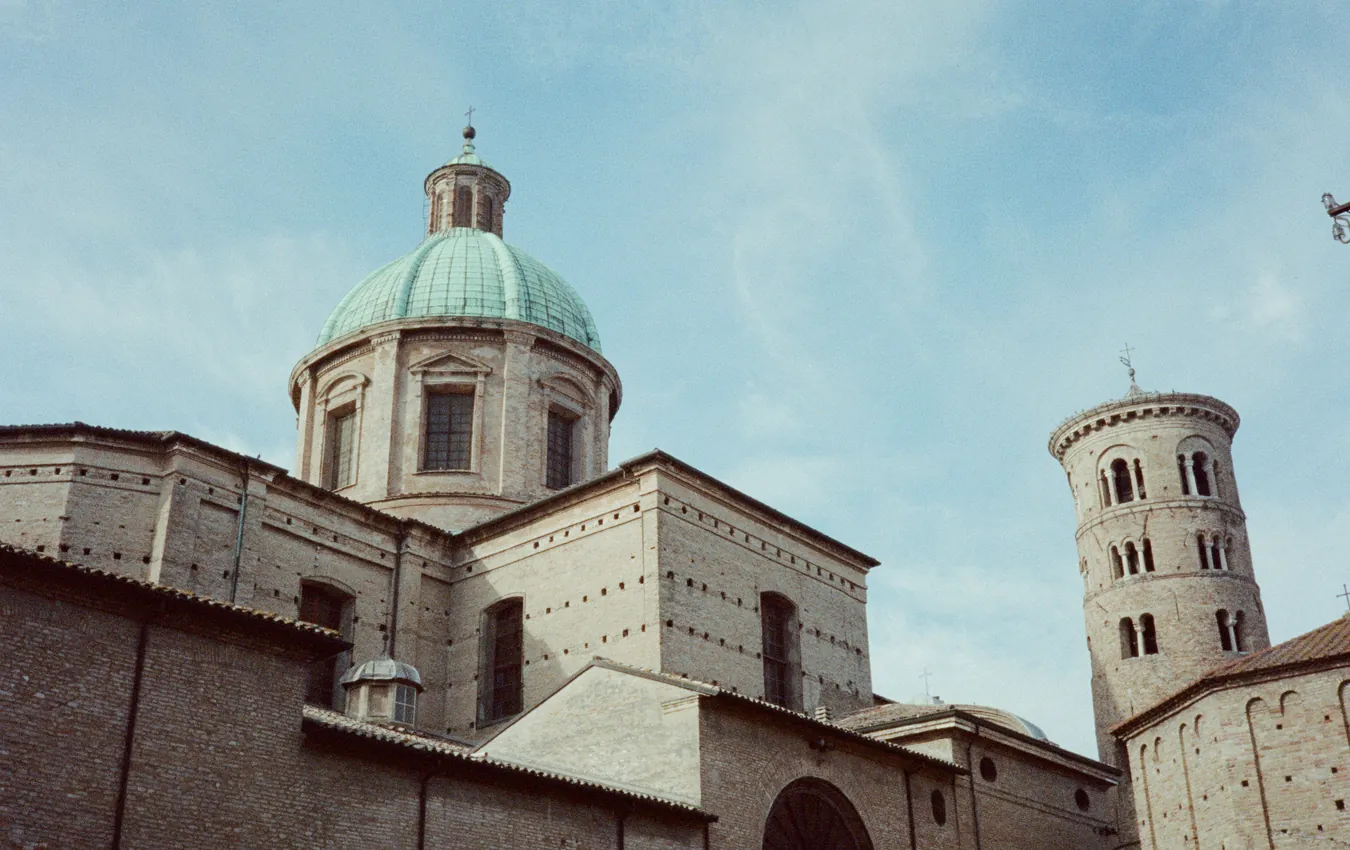
I’ve visited Italy so many times, but somehow Ravenna had completely escaped my radar, until now. And honestly, what a discovery! This small city in Emilia-Romagna is home to extraordinary Byzantine mosaics, fascinating history, beautiful architecture and incredible food, and it’s still surprisingly overlooked compared to Italy’s more famous destinations.
I spent three days exploring the city with the Ravenna tourism board, and in this guide I’m sharing all my favourite things to do in Ravenna, where to eat, where to stay and the local dishes you absolutely need to try.
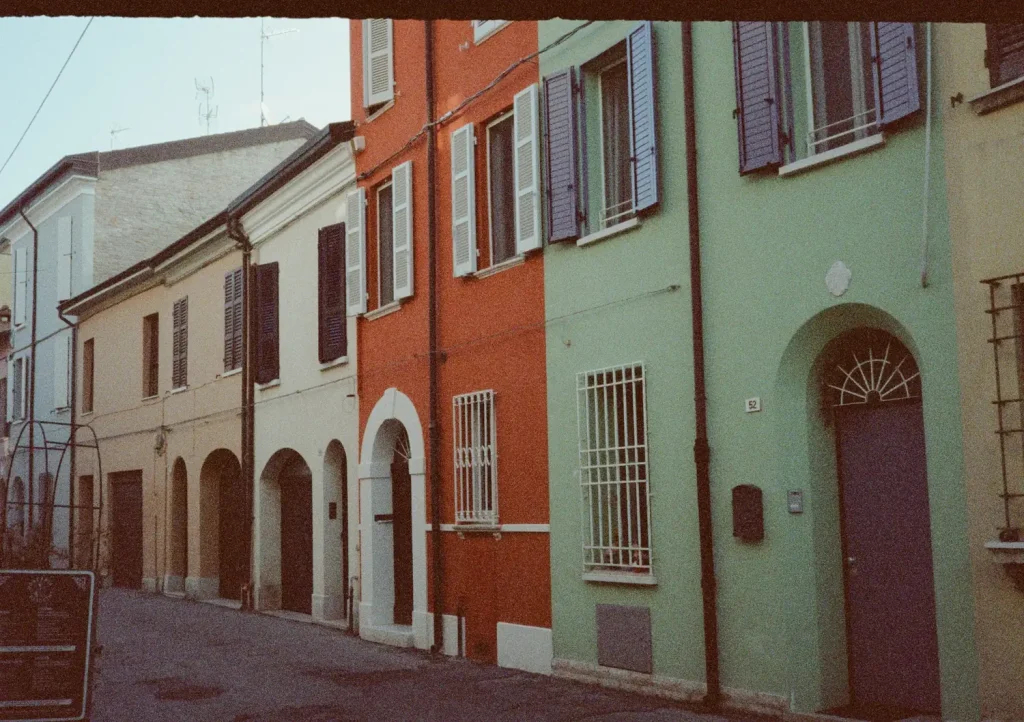
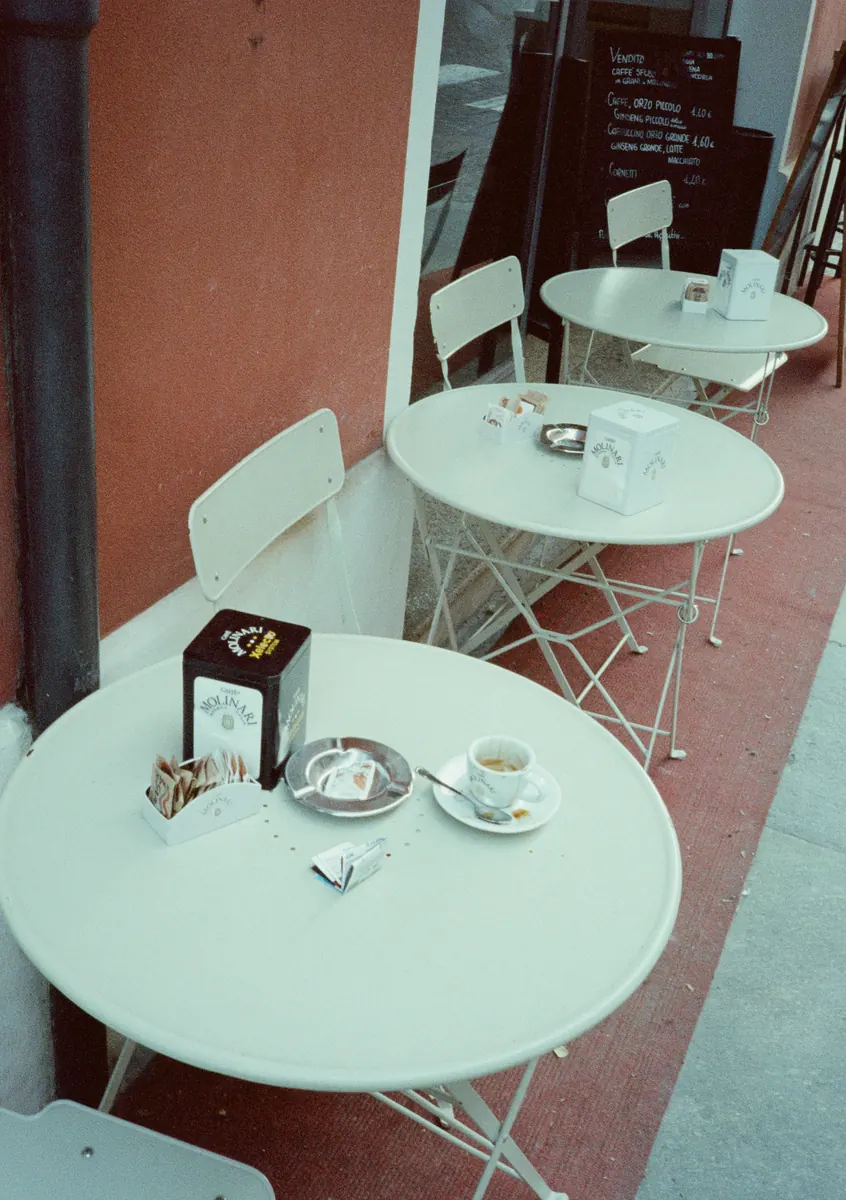
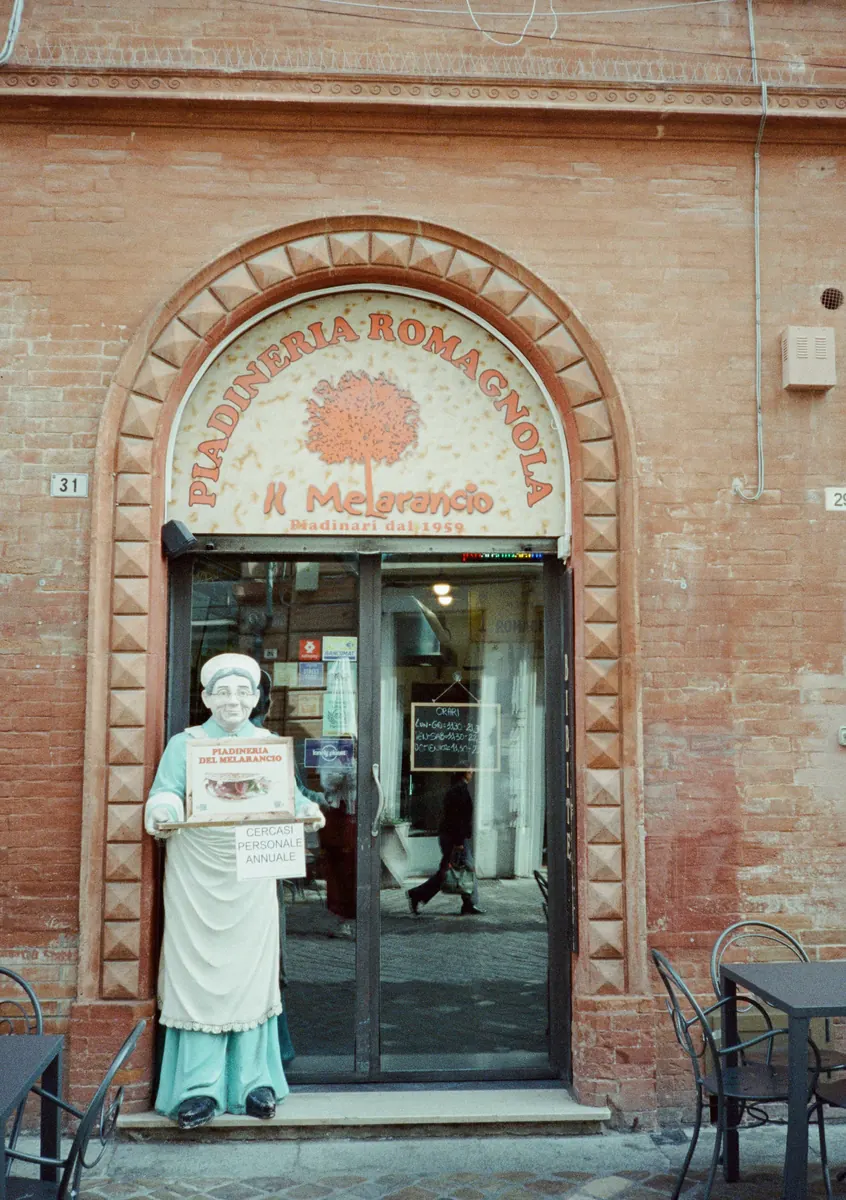
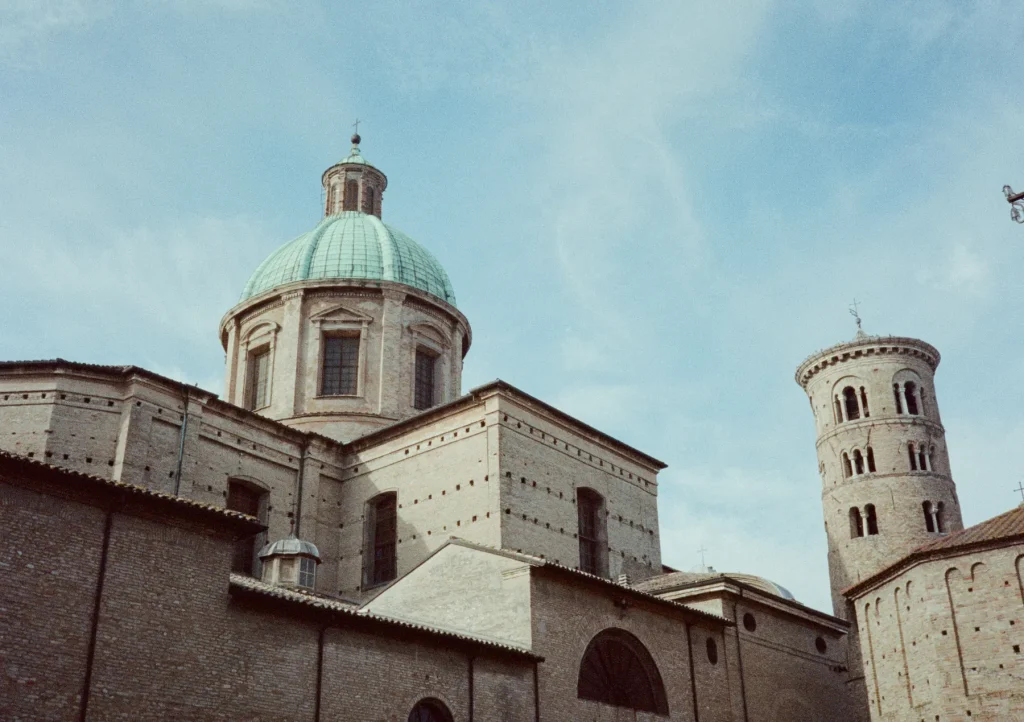
📷 All the photos in this post were shot on film with my Pentax 17, using This Is How I Roll 500T film.
Ravenna at a Glance
| Where | Emilia-Romagna, north-east Italy, near the Adriatic coast |
|---|---|
| Closest airport | Bologna Marconi, about 1 hour 30 minutes by shuttle |
| Currency | Euro (€) |
| Getting around | On foot or by bike: the historic centre is small and flat |
| How long to stay | 2 to 3 days |
| Best time to visit | Spring and autumn, when it’s mild and quiet |
| Famous for | Byzantine mosaics, eight UNESCO monuments, Dante’s tomb and piadina |
A Little History: Why Ravenna Has So Many Mosaics
Ravenna has had more than its share of glory. In the 5th century, it became the capital of the Western Roman Empire. It was then ruled by the Ostrogothic king Theodoric, and later became the heart of Byzantine power in Italy. Each of these rulers left behind churches and baptisteries covered in mosaics, and thanks to that, Ravenna has the richest collection of early Christian mosaics in the world.
The Best Things to Do in Ravenna
1. Basilica di San Vitale
The Basilica di San Vitale is one of the most breathtaking places I’ve ever visited in Italy. From the outside, this 1,500-year-old basilica might not look like much, but step inside and prepare to have your jaw on the floor: golden mosaics, spectacular ceilings and Byzantine artwork so well preserved that it’s hard to believe it’s been there since the 6th century.
Don’t miss the famous mosaic panels of Emperor Justinian and Empress Theodora with their courts, near the altar. It’s one of the finest examples of early Byzantine art in Europe.
2. Mausoleum of Galla Placidia
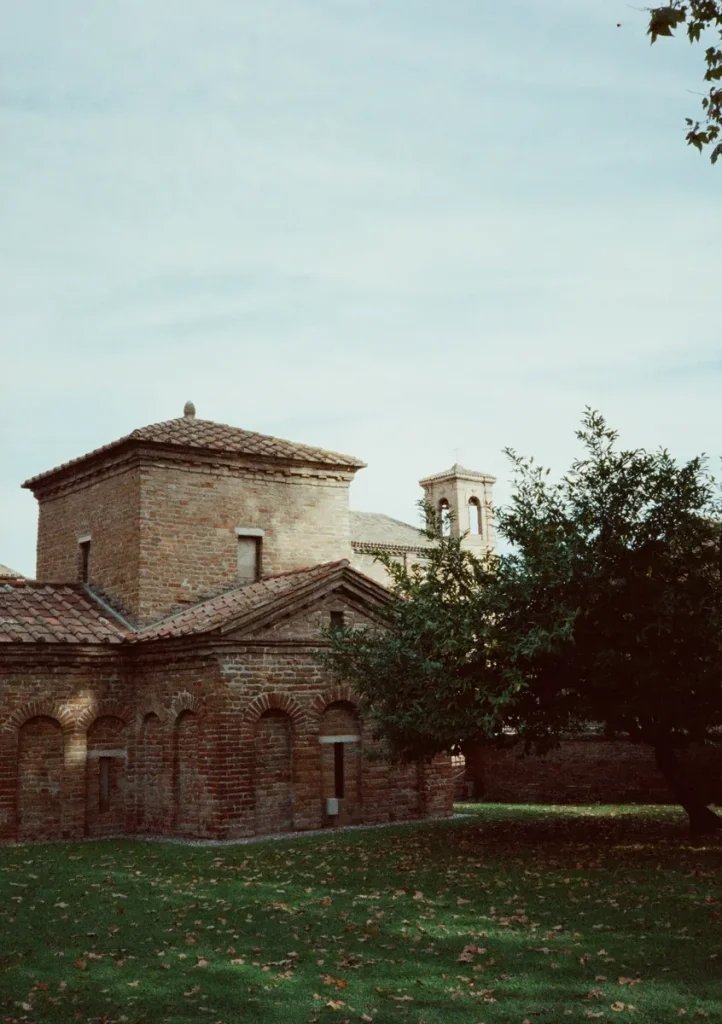
Right next to San Vitale, in the same garden, is the tiny Mausoleum of Galla Placidia. It looks like a simple brick building from the outside, but inside, the ceiling is covered in a deep blue mosaic sky full of golden stars. Dating from the 5th century, it’s one of the oldest mosaic monuments in Ravenna, and one of the most magical.
My tip: the mausoleum is small, so visits are timed. Book your slot in advance, especially at weekends.
3. Basilica di Sant’Apollinare Nuovo
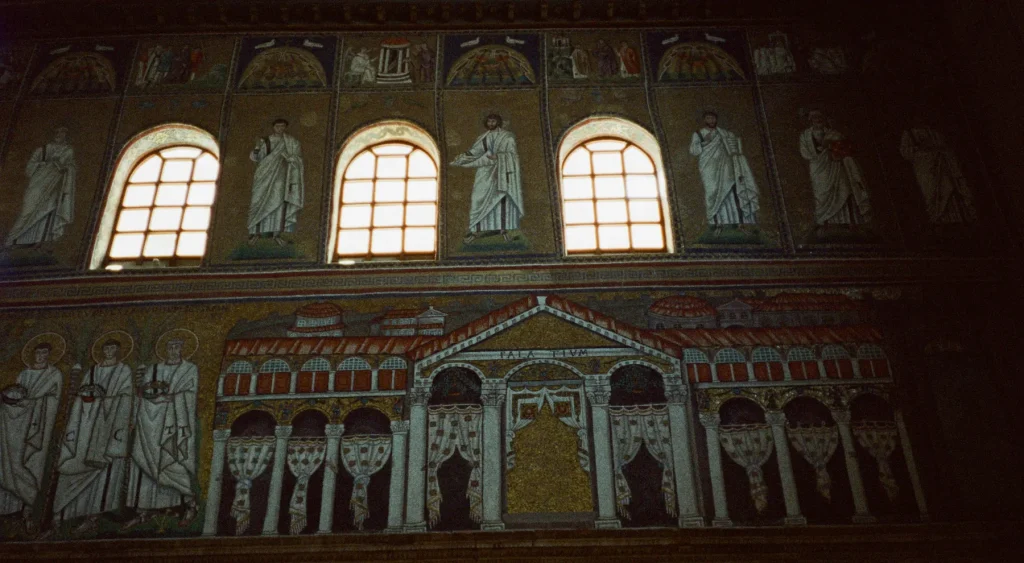
The Basilica di Sant’Apollinare Nuovo was built by Theodoric in the early 6th century. Its walls are lined with two long processions of saints and virgins in white robes against a golden background, walking towards Christ and the Virgin Mary. Look out for the mosaic of Theodoric’s palace, with the word PALATIUM written above it.
4. More UNESCO Monuments
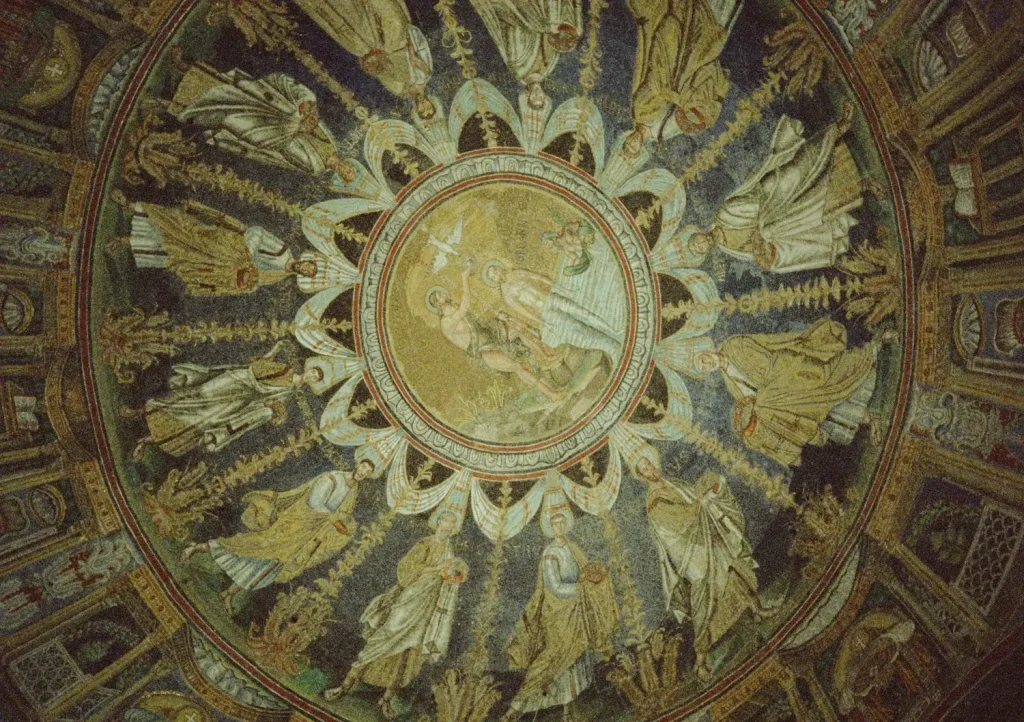
Ravenna’s eight UNESCO-listed monuments also include the Neonian Baptistery, the Arian Baptistery, the Archiepiscopal Chapel, the Mausoleum of Theodoric and Sant’Apollinare in Classe, just outside the city. Look up in the baptisteries: their domes show the baptism of Christ surrounded by the twelve apostles.
Good to know: most monuments are visited with a combined ticket, and the price depends on how many you choose. I visited the main UNESCO sites on a three-hour guided tour, which I’d really recommend to understand the stories behind the mosaics. Book a guided tour of Ravenna’s UNESCO monuments and mosaics, or get UNESCO mosaics entry tickets to explore on your own.
5. Make Your Own Mosaic
After seeing so many masterpieces, I had to try it myself. At Amarganta, a mosaic workshop in the historic centre, you learn the basics of the ancient technique and create your own small mosaic, inspired by nature, animals and flowers, to take home. It’s a two-hour, hands-on experience, and the best souvenir of Ravenna.
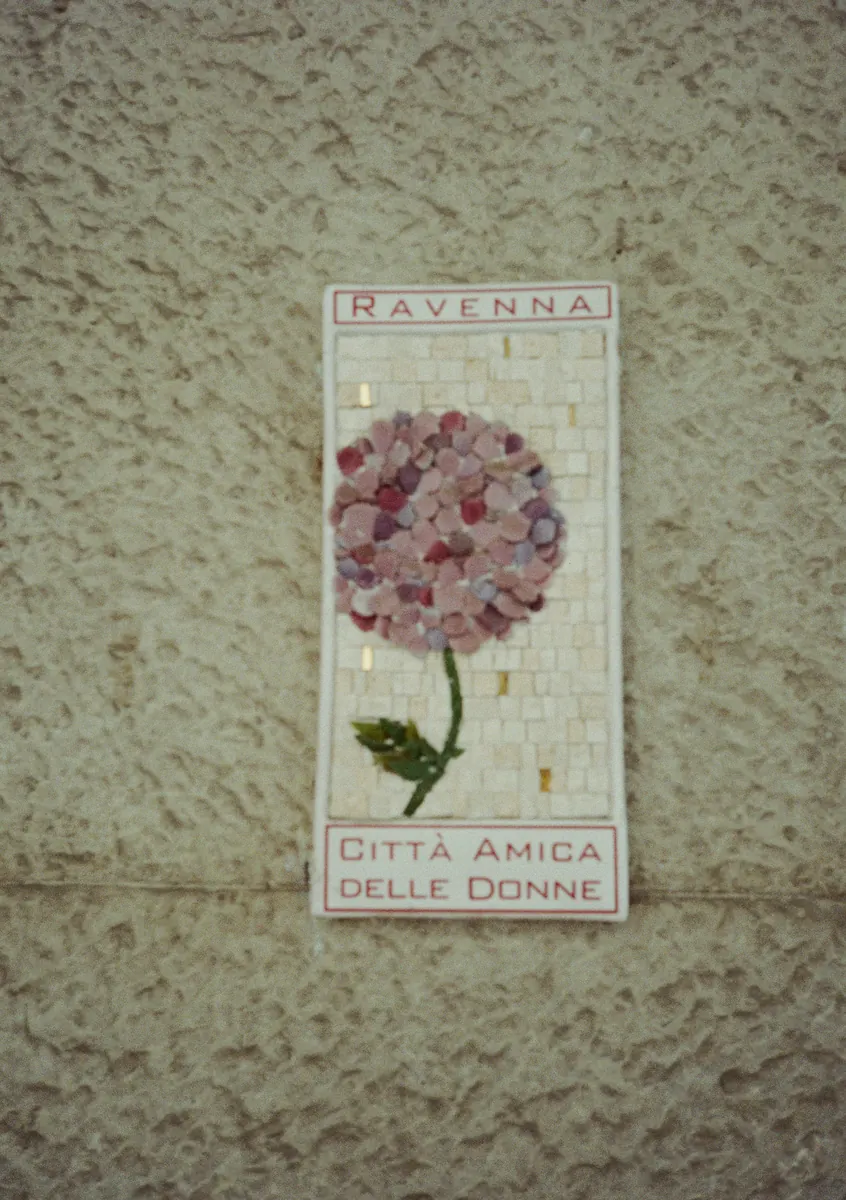
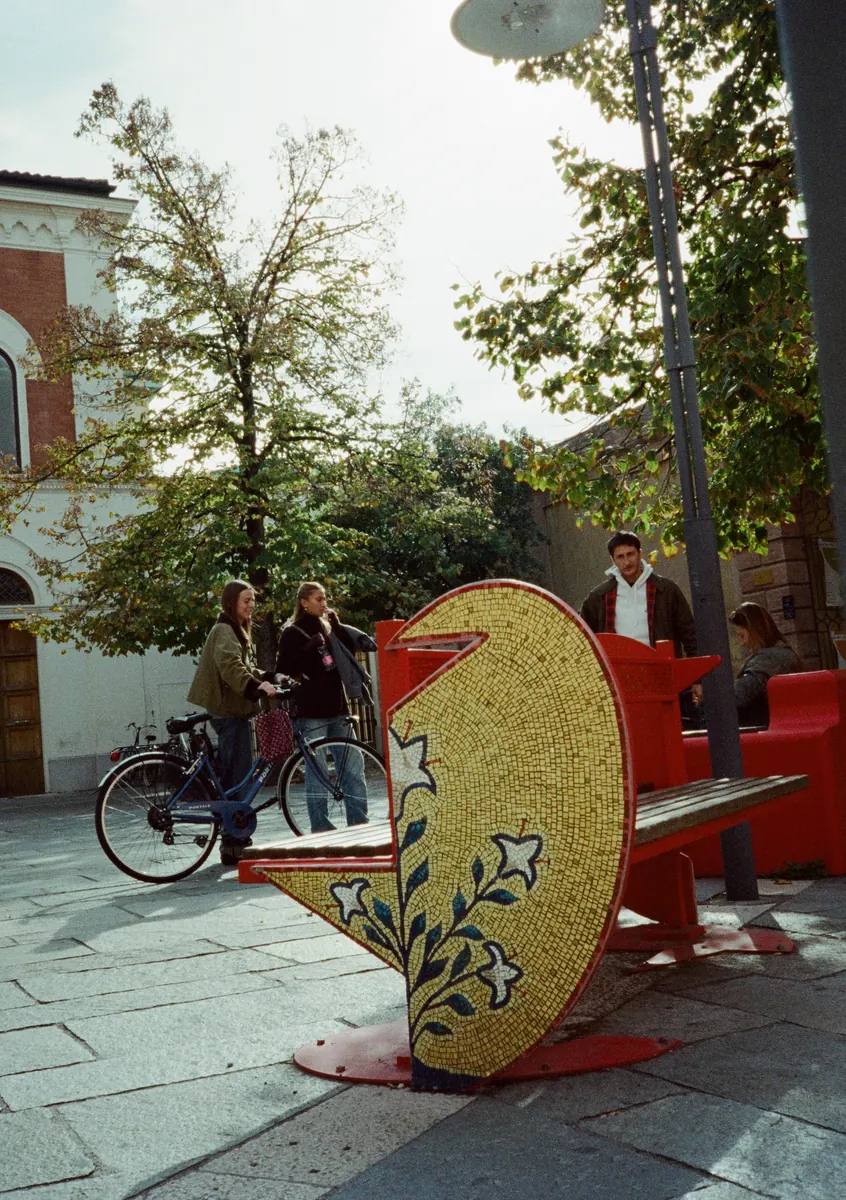
Once you start noticing mosaics, you’ll see them everywhere in the city: on street signs, benches and shop fronts.
6. MAR, Ravenna’s Art Museum
The MAR (Museo d’Arte della città di Ravenna) is set in a former monastery, the Loggetta Lombardesca, and hosts the city’s art collection along with contemporary exhibitions. During my visit, I saw Supremalia, an exhibition by the Italian artist Nicola Samorì, running until January 2027.
My tip: finish your visit with a drink at the MAR Art Caffè Garden Bistrot, in the museum’s garden.
7. Palazzo Rasponi dalle Teste
Overlooking Piazza Kennedy, Palazzo Rasponi dalle Teste is an elegant 18th-century palace that hosts temporary exhibitions. When I visited, it was showing Marcantonio: what do you want to be when you grow up?, a poetic exhibition running until January 2027.
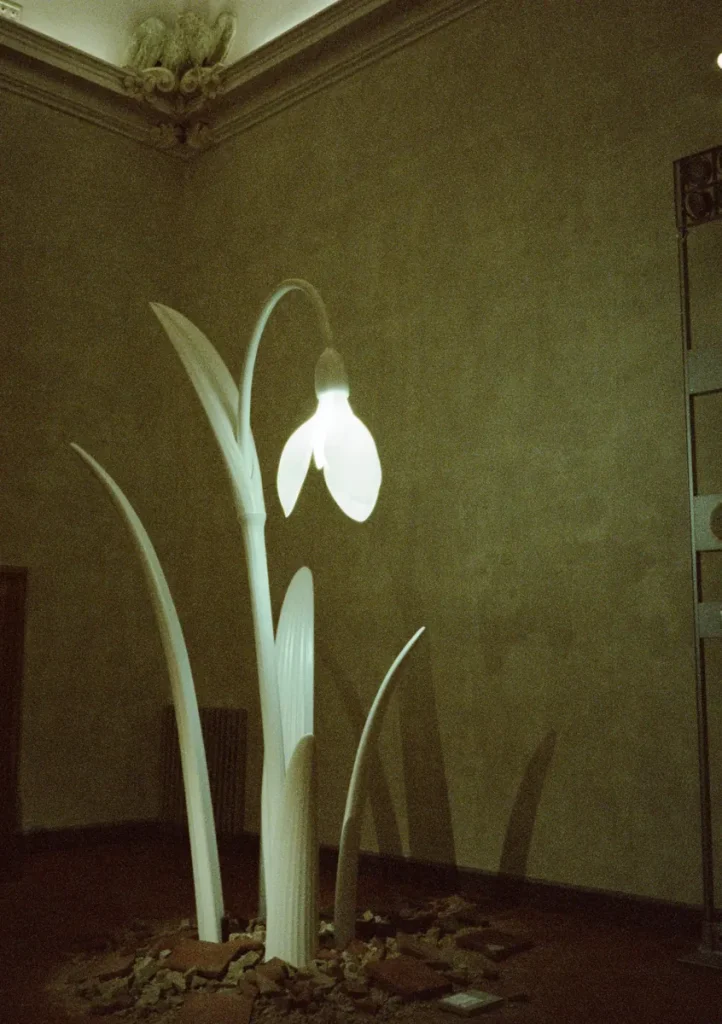
8. Byron and Risorgimento Museums
Did you know Lord Byron lived in Ravenna? Between 1819 and 1821, the English poet lived in Palazzo Guiccioli, following his great love, Countess Teresa Guiccioli. Today, the palace houses the Byron and Risorgimento Museums, which opened in 2024 and tell the story of his life in Ravenna, his love for Teresa and his fight for Italian independence through artefacts, letters and multimedia displays.
As a UK-based traveller, I loved discovering this connection between England and Ravenna.
9. Wander the Old Town (and Visit Dante)
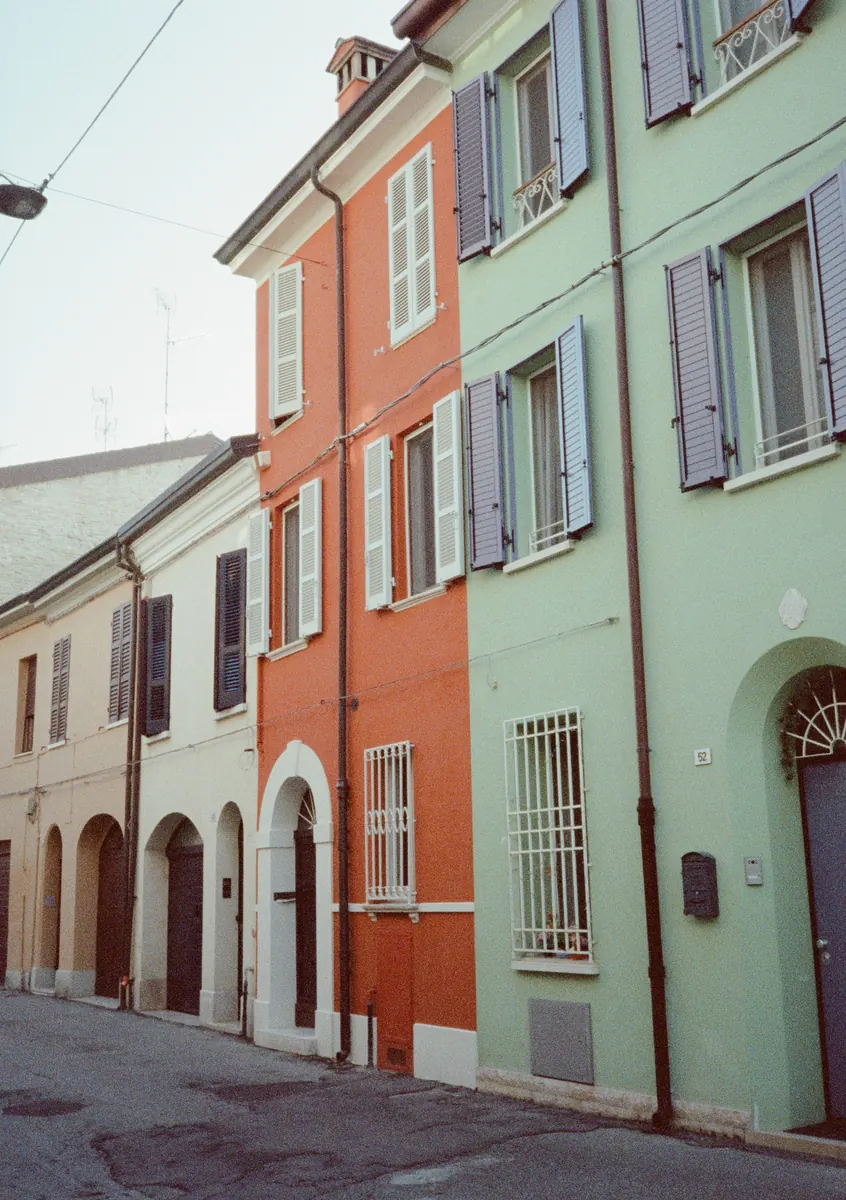
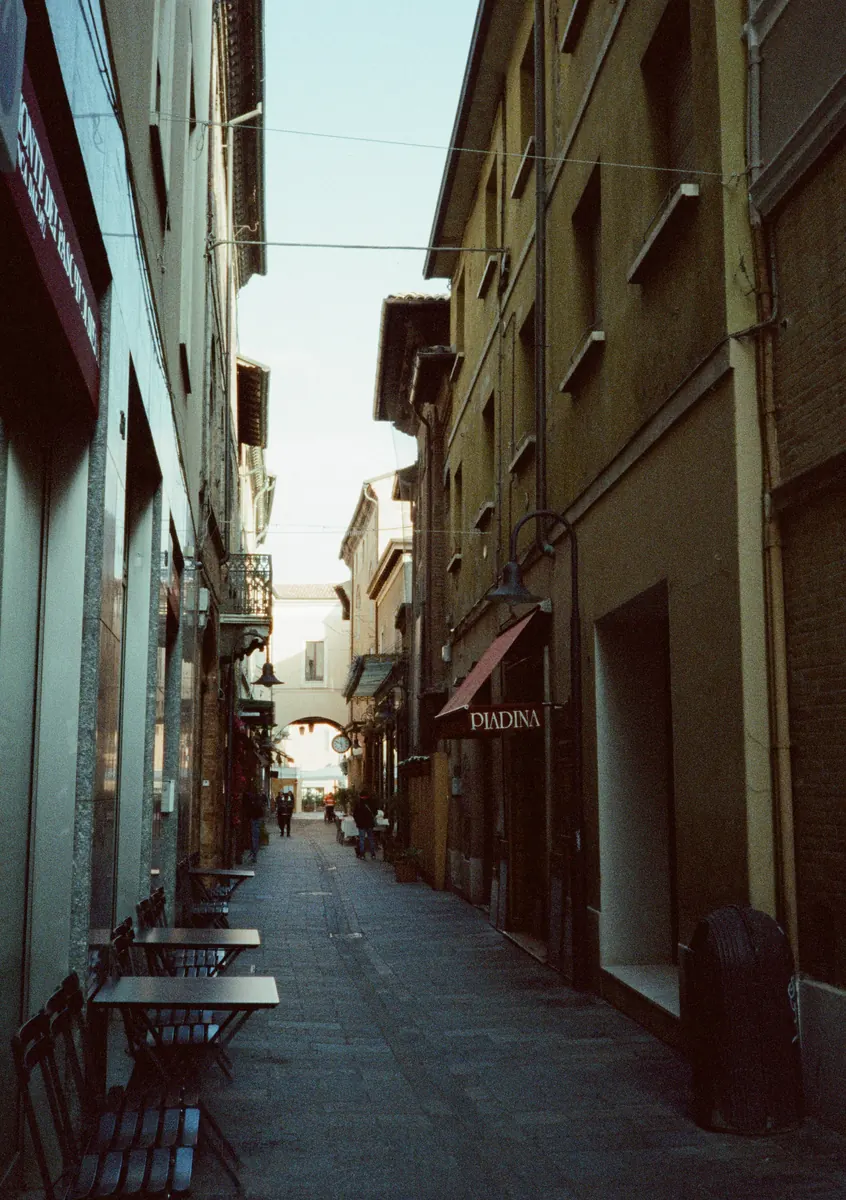
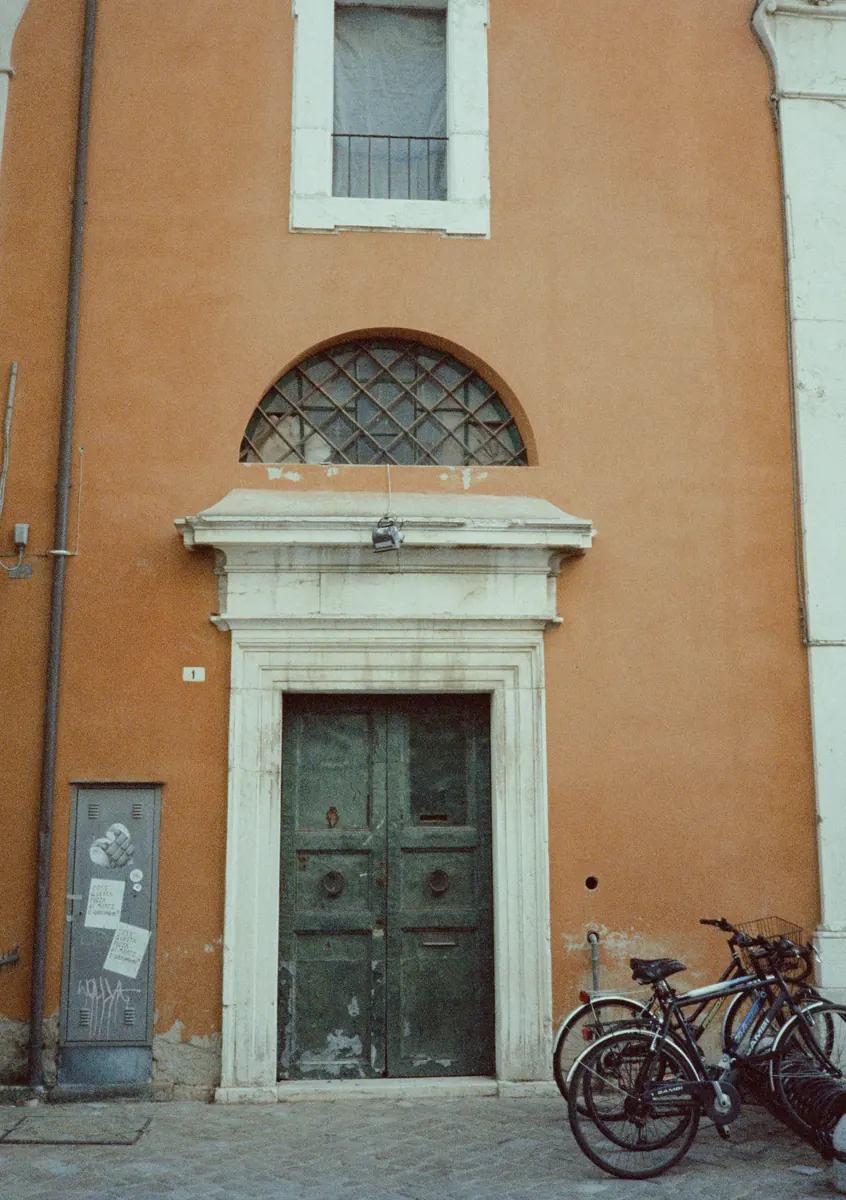
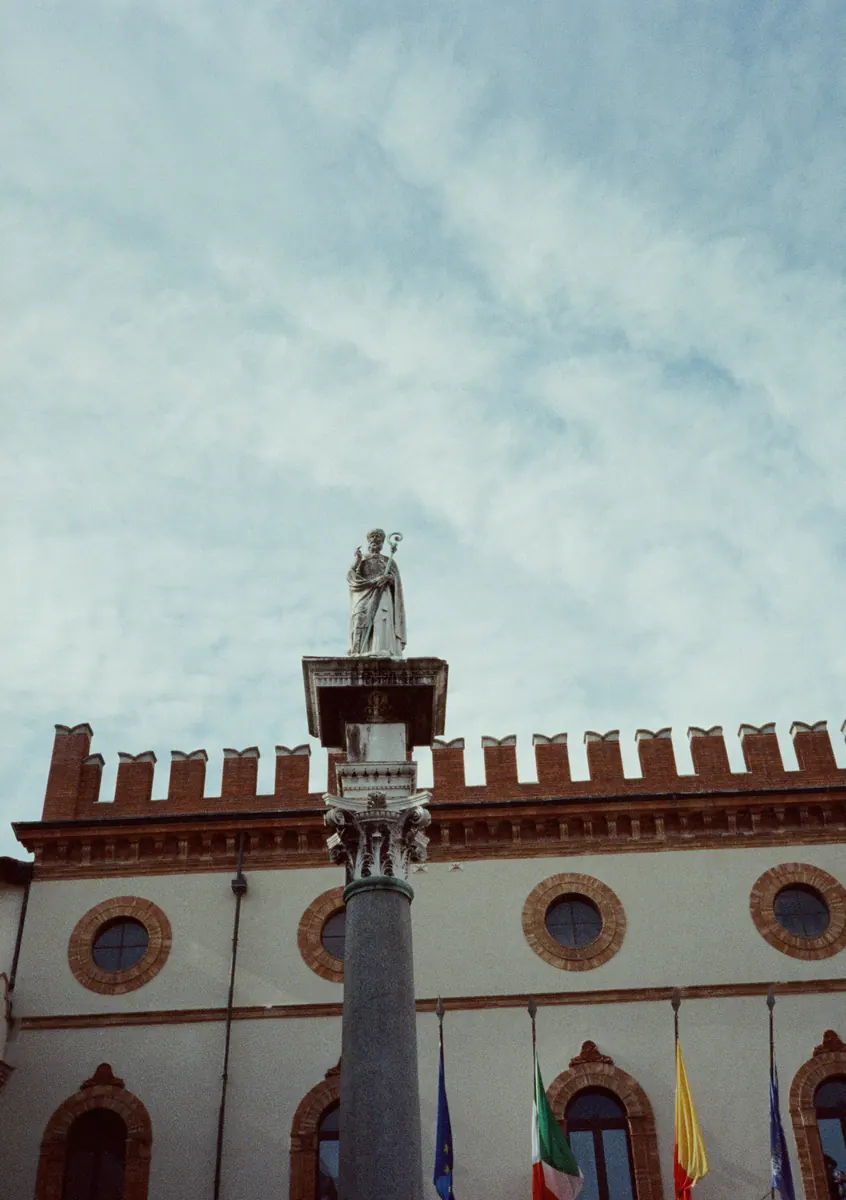
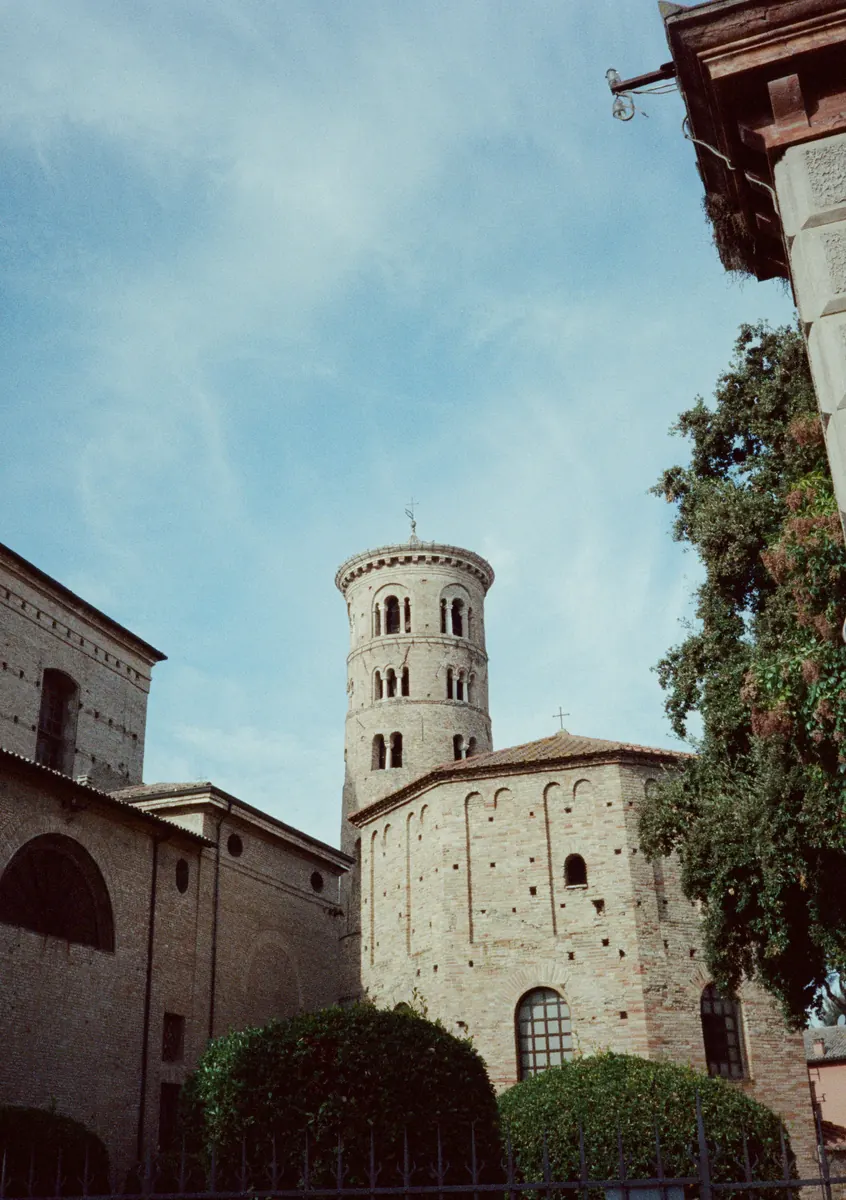
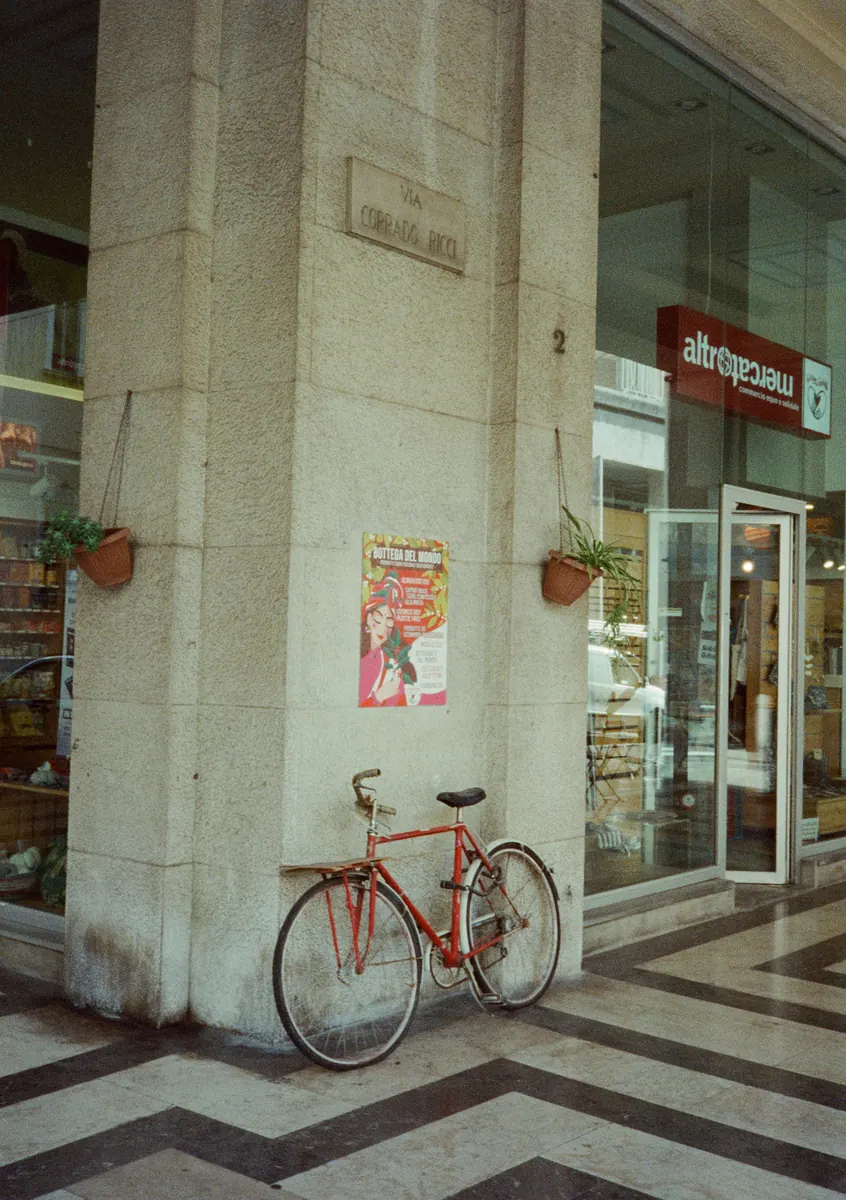
Ravenna is a city to explore slowly, on foot or by bike, like the locals. Wander through the pastel streets, stop in the elegant Piazza del Popolo, with its two Venetian columns, and look up at the round bell towers that pop up all over the city.
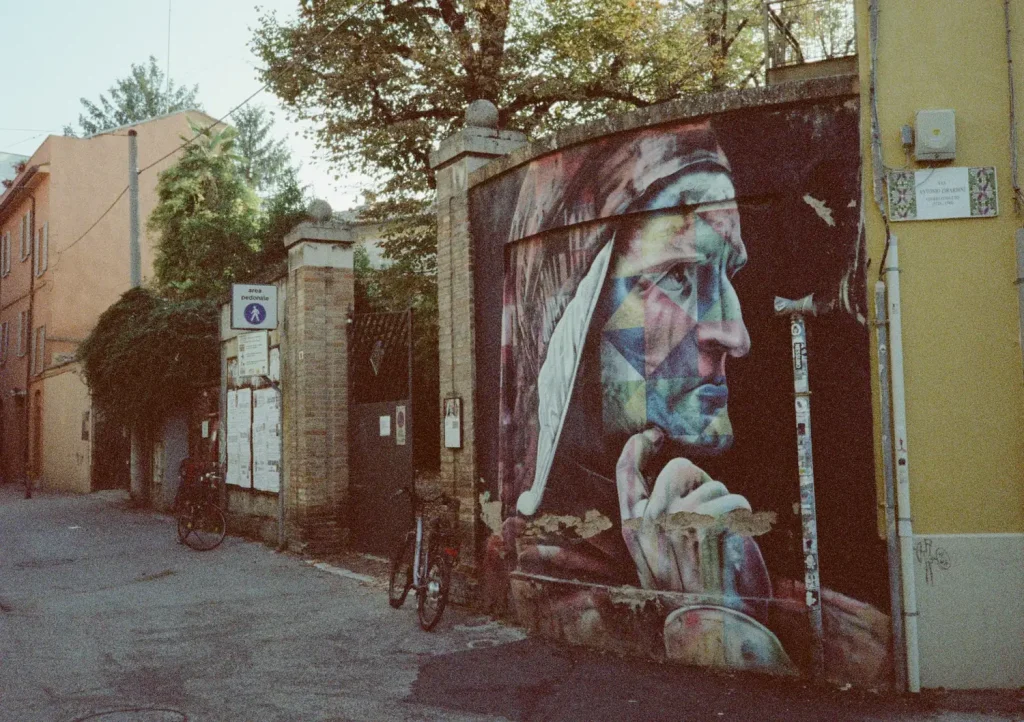
Don’t miss Dante’s Tomb: the great Italian poet died in Ravenna in 1321, and he’s still buried here. You’ll also spot his face on a giant street art mural in the city centre.
Where to Eat in Ravenna
Emilia-Romagna is one of Italy’s great food regions, and I ate incredibly well in Ravenna. These are the restaurants I tried:
- Bello al Rustichello, Via Maggiore 21: where I had my first dinner in Ravenna.
- Osteria dalla Zabariona, Via Giuliano Argentario 19: a traditional osteria, perfect for a long lunch.
- Ristorante Al 45, Via Paolo Costa 45: for a relaxed dinner in the city centre.
- MAR Art Caffè Garden Bistrot, Via di Roma 13: for coffee or an aperitivo in the museum garden.
5 Local Food Specialities You Need to Try in Ravenna
- Piadina Romagnola: the region’s iconic flatbread, usually filled with local cheeses, cured meats or vegetables. Simple, but so good!
- Passatelli: traditional pasta made with breadcrumbs, Parmesan and eggs, often served in a comforting broth.
- Squacquerone: a deliciously creamy, soft cheese from Romagna, perfect inside a warm piadina.
- Polenta fritta: crispy fried polenta, golden on the outside and soft on the inside. The ultimate Italian comfort food!
- Crescentine fritte (gnocco fritto): fluffy, golden pillows of fried dough, traditionally enjoyed with mortadella, prosciutto and local cheeses. So addictive!
Where to Stay in Ravenna
Santa Maria Foris
I stayed at Santa Maria Foris, a small boutique guesthouse on Via Giuseppe Pasolini, completely renovated in 2025. It has around a dozen rooms, a library, a terrace and a garden, and it’s only a five-minute walk from San Vitale, the Mausoleum of Galla Placidia and Piazza del Popolo. It’s the perfect base to explore the city on foot.
Check prices and availability for Santa Maria Foris on Booking.com
Looking for something else? Find hotels in Ravenna on Booking.com
How to Get to Ravenna
- By plane: fly into Bologna Marconi Airport, then take the shuttle bus from outside the terminal to Ravenna train station. The journey takes about 1 hour 30 minutes.
- By train: regional trains run from Bologna Centrale to Ravenna in around 1 hour 20 minutes.
- Getting around: the historic centre is compact, flat and largely pedestrianised, so walk or rent a bike.
Ravenna is also easy to combine with a wider Emilia-Romagna trip, including Bologna, the Adriatic coast and the medieval towns of the region. You can even continue to Tuscany: see my guide to the best things to do in Florence.
My 2-Day Ravenna Itinerary
- Day 1: arrive from Bologna, check in, and visit the MAR and its current exhibition. Have an aperitivo in the museum garden and dinner at Bello al Rustichello.
- Day 2: a morning guided tour of the UNESCO monuments, lunch at Osteria dalla Zabariona, a mosaic workshop at Amarganta and an exhibition at Palazzo Rasponi dalle Teste. Finish with dinner at Al 45.
- Day 3 (morning): visit the Byron and Risorgimento Museums before heading back to Bologna.
FAQ
What is Ravenna famous for?
Ravenna is famous for its Byzantine mosaics. Eight of its early Christian monuments, including the Basilica di San Vitale and the Mausoleum of Galla Placidia, are UNESCO World Heritage Sites. It’s also where Dante is buried.
What are the best things to do in Ravenna?
The best things to do in Ravenna are visiting the Basilica di San Vitale, the Mausoleum of Galla Placidia and Sant’Apollinare Nuovo, taking a mosaic workshop, visiting the MAR and the Byron Museum, and eating piadina.
How many days do you need in Ravenna?
Two days is enough to see the main mosaics and museums at a relaxed pace. Add a third day to visit Sant’Apollinare in Classe or the nearby Adriatic coast.
How do you get from Bologna to Ravenna?
Take the shuttle bus from Bologna Marconi Airport (about 1 hour 30 minutes), or a regional train from Bologna Centrale (about 1 hour 20 minutes).
Is Ravenna worth visiting?
Yes. Ravenna has some of the most beautiful mosaics in the world, excellent food and far fewer crowds than Florence or Venice, which makes it one of Italy’s most underrated cities.
Final Thoughts
Ravenna was one of my favourite surprises in Italy. It’s calm, beautiful and full of art, and its mosaics are unlike anything I’d seen before. If you’re planning a trip to Emilia-Romagna, add these things to do in Ravenna to your list. You won’t regret it.
Planning more of Italy? Read my guide to the best things to do in Florence and my Puglia 7-day itinerary next.
Ready to book your Ravenna trip?
- 🏨 Hotels: Find hotels in Ravenna on Booking.com
- 🚗 Car hire: Compare car hire on Booking.com
- 🎟️ Tours and activities: Browse Ravenna tours on GetYourGuide
- 📱 eSIM: Get a Holafly eSIM with 5% off using code HELENA5
- ✈️ Flights: Compare flights on Skyscanner
This post contains affiliate links, which means I may earn a small commission if you book through them, at no extra cost to you.
I visited Ravenna on an educational tour organised by Ravenna Incoming and the Ravenna tourism board as part of the Footprints project. As always, all opinions are my own.